OpenAI is expanding ChatGPT for Teens with a suite of study and planning tools aimed at helping young users prepare for higher education and contribute to how AI is built for their age group. ChatGPT for Teens will remain the default ChatGPT experience for accounts identified as under 18, and the company says early usage data shows strong engagement with learning-focused features.
OpenAI reports its broader ChatGPT service has 1.2 billion users worldwide, and that accounts identified as teens with the teen experience sent about 2.7 million more learning-related messages on average than accounts without it. In a single week, nearly 1.2 million teens used Learning Visualizations to explore math and science concepts, and more than 180,000 used Study Mode for step-by-step learning help. The company also highlights built-in reminders that encourage breaks: teens spend under 15 minutes per day on ChatGPT on average, fewer than 2% of teen sessions last more than three consecutive hours, and when a break reminder appears almost half of those conversations end or pause within five minutes. OpenAI contrasts these patterns with a publicly reported average of five hours a day for teen social media use and notes many longer ChatGPT sessions are learning-related.
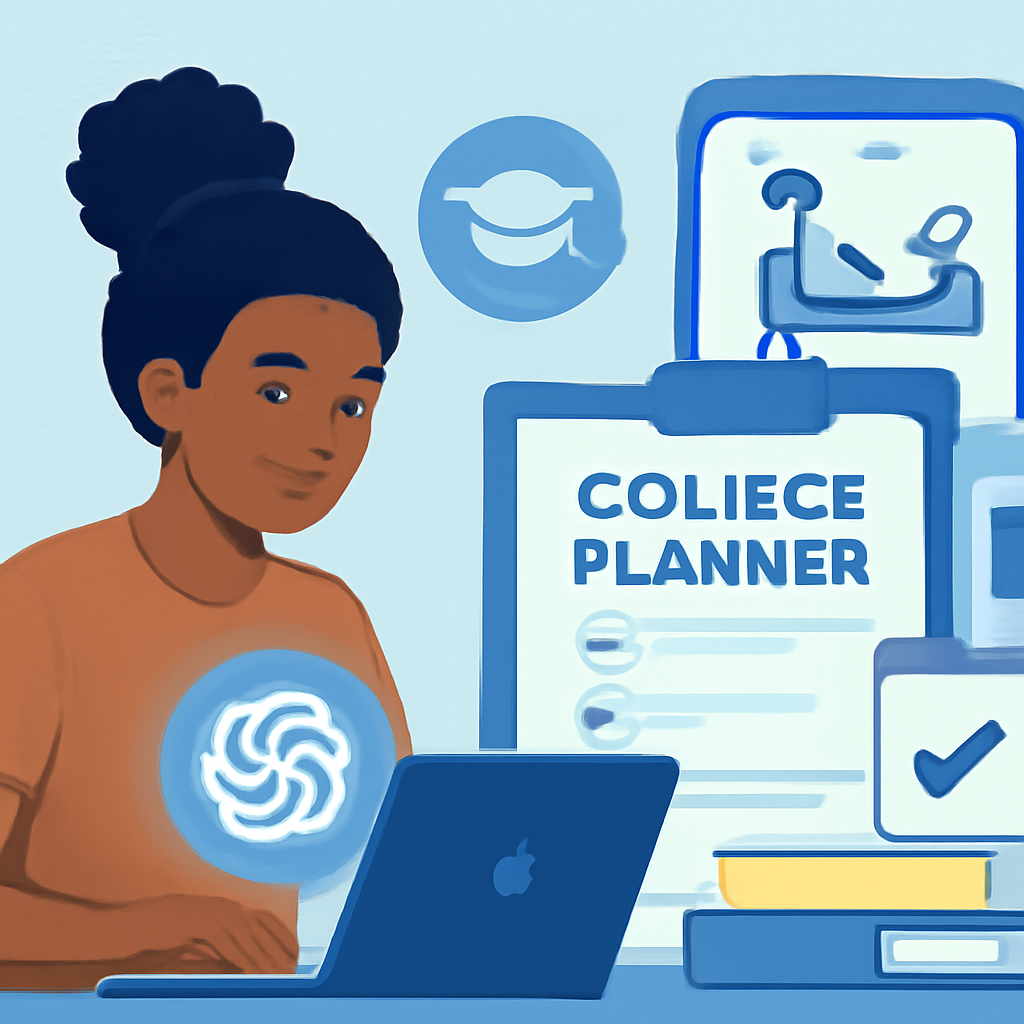
A headline addition is College Planner, a new feature designed to aggregate application requirements, deadlines, to-do items and financial-aid steps for the schools a student is considering. College Planner creates a single, updateable plan that students can return to as they make progress. The tool is intended to help students track multiple applications with timelines and task lists and to answer questions about specific requirements or next steps.
The initial rollout of College Planner is focused on U.S. high-school students in grades 10–12 who plan to attend four-year colleges. OpenAI says it plans to expand the tool to additional countries and to broaden support to two-year colleges, technical schools and trade programs over time. The planner includes financial-aid support so students can track each school’s aid deadlines, understand requirements and explore scholarships and fee waivers. OpenAI frames the feature as a way to increase access to practical application support regardless of students’ financial circumstances while emphasizing that counselors, advisers and families will continue to play a central role.
To bring College Planner and related features into classrooms and underserved communities, OpenAI will support the College Advising Corps, a nonprofit that places recent graduates as advisers in under-resourced high schools. The company said it will help the organization expand into new states and create an AI fellowship program that enables advisers to test and share practical methods for using AI to help students manage application and enrollment tasks while continuing in-person guidance.
OpenAI also announced a three-year collaboration with Boston Children’s Hospital’s Digital Wellness Lab and its independent Student Advisory Council to gather teenager perspectives on AI and digital wellbeing. For the 2026–27 school year the Lab plans to convene roughly 22 students across two tracks: about 12 students aged 14–18 working on digital wellbeing initiatives in their communities, and around 10 students aged 16–20 focused on building AI chatbots and emerging-technology projects. These students will work alongside researchers and clinicians to test tools and recommend product changes, with anticipated feedback on safety defaults, parental controls, notifications and AI literacy.
Alongside planning and partnerships, OpenAI is rolling out study-focused capabilities. Continuous multi-photo capture will let students photograph multiple pages of notes and combine them into a single PDF for upload; the feature is available on iOS, with Android support in development. Flashcards can be generated from uploaded notes or chosen topics and saved to a teen’s Library for repeated practice. Students will be able to mark known cards, revisit items they miss, shuffle decks and schedule practice sessions. Quizzes are easier to create as well: uploaded notes can be converted into interactive quizzes, and ChatGPT has been improved to better detect when a user wants a quiz and generate one directly in chat.
OpenAI says it will continue to evaluate ChatGPT for Teens with input from teens, families and educators, testing protections and sharing findings. The company emphasizes giving young people a role in the design process so their perspectives inform product and model decisions. By combining planning tools, study aids and structured advisory partnerships, OpenAI aims to support students’ college readiness while involving teens in shaping how the tools function for their age group.
As ChatGPT for Teens expands, the company positions these additions as practical, iterative steps: tools to organize applications and study materials, features to encourage healthy usage, and partnerships to surface real-world feedback from advisers and teen participants. OpenAI frames the set of updates as part of an ongoing effort to make AI tools more useful and responsive to the needs of young learners without replacing existing guidance from schools and families.
Source: Read the original source
Leave a Reply