
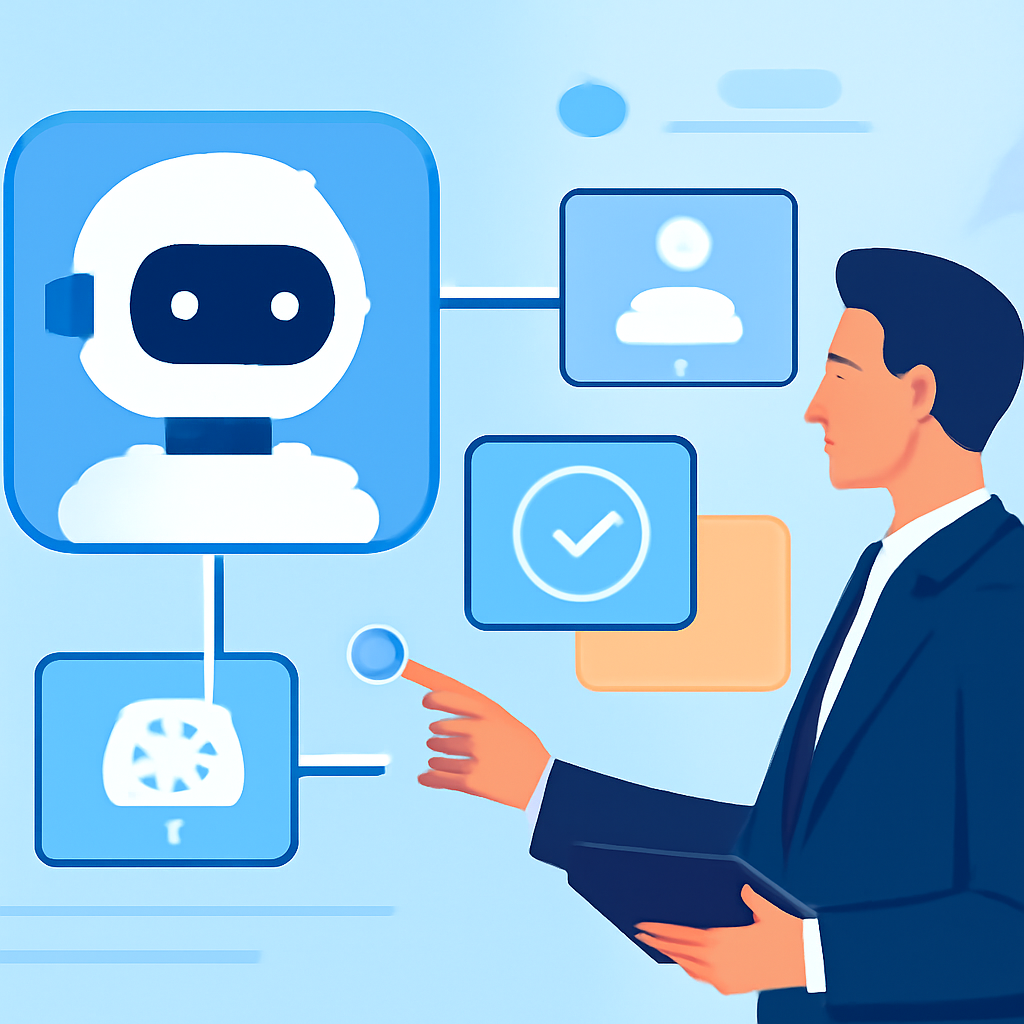
A group of AI-native startups is demonstrating how autonomous and semi-autonomous agents can move routine business processes out of spreadsheets and ad-hoc task lists and into repeatable operating capabilities. Companies such as Basis, Clay, and Exa Labs are applying agent-driven systems to areas including onboarding, account management, and developer integrations, reshaping how operational work gets done.
Instead of deploying AI as a one-off tool, these firms are integrating agents directly into workflows so tasks become coordinated, contextual, and continuous. Agents can sequence steps, maintain state across interactions, and perform ongoing checks—shifting work from manual, one-off interventions to systems that carry out and sustain operational activities across customer and developer lifecycles.
The approaches used by Basis, Clay, and Exa Labs point to three practical patterns enterprise technology leaders can adopt. First, identify repeatable workflows that consume disproportionate time or are prone to error. Second, map those workflows to agent capabilities so the system can execute and iterate on routine tasks. Third, instrument workflows so agents have the necessary context and can escalate or hand off to human operators when exceptions arise.
These patterns emphasize operationalizing AI rather than simply bolting on point solutions. By embedding agents into core processes like onboarding and account management, organizations make AI part of the operating fabric of the business—enabling continuous, context-aware execution rather than discrete automation projects.
As organizations evaluate where to deploy AI, the move by AI-native firms to bake agents into onboarding, account management, and integration processes highlights a broader trend: treating AI as an integral operational capability that coordinates work across teams and systems, not just a standalone feature.
Source: https://openai.com/index/ai-native-company-workflows
Source: Read the original source
Leave a Reply