
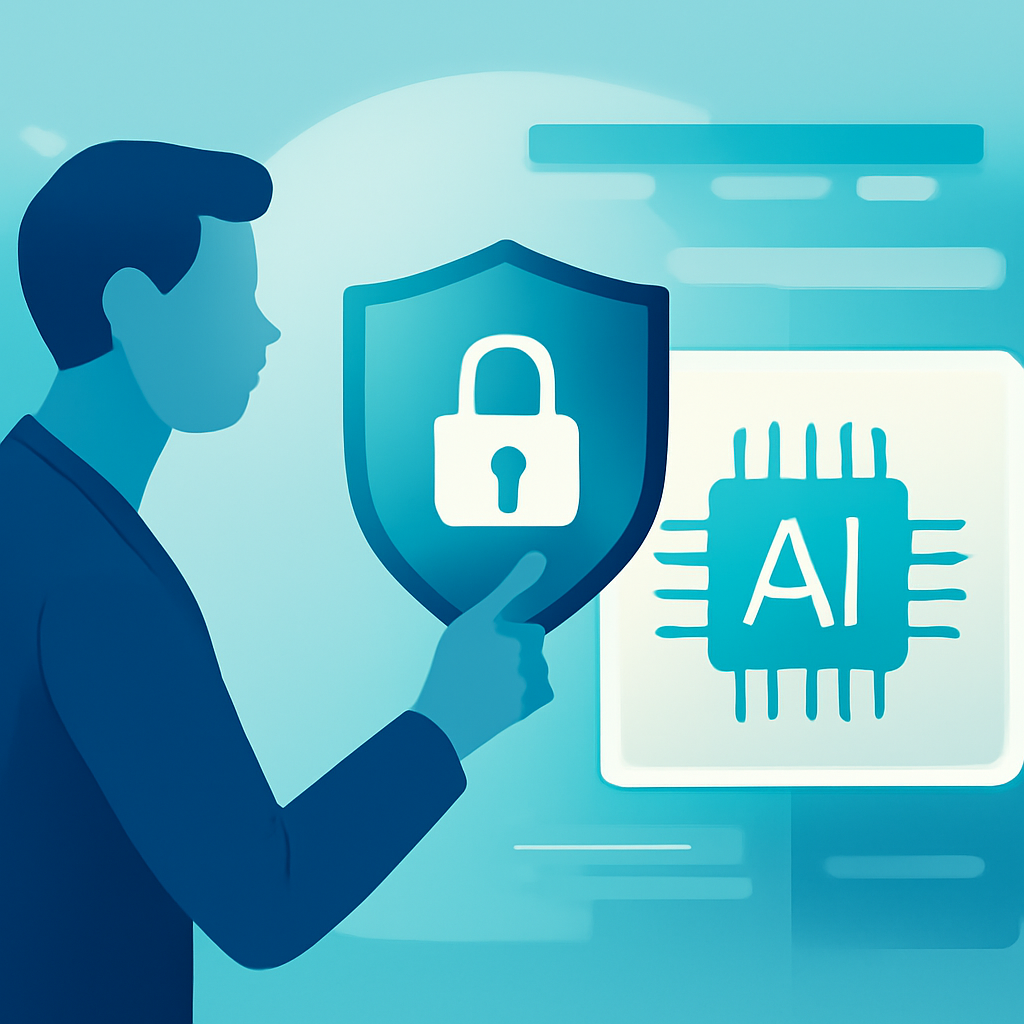
Block has integrated OpenAI models into its security operations to accelerate vulnerability discovery, detection tuning and incident response, showcasing a practical deployment of AI-powered security in a large consumer-finance company. The effort, which Block describes as an OpenAI Defense Factory and uses models such as Daybreak, compresses tasks that previously took weeks into hours while preserving human review for verification and organizational context.
At the center of Block’s approach is a security harness built on Daybreak that routes discrete tasks to the most appropriate models and inserts human intervention points where needed. Rather than defaulting to the newest or largest model for every job, the team matches model capability to task type and includes mechanisms for agents to validate each other’s output. That combination of automated reasoning and human oversight supports activities ranging from code review and log parsing to automated red team exercises.
One material operational improvement comes in detection tuning. Block reports it can replay a proposed detection change against seven months of production telemetry in under an hour, a step that used to require requerying hundreds of older cases and rarely happened because of the time involved. By automating that replay, the company can evaluate prospective changes quickly and reduce manual friction in validating detection logic.
Block’s tooling also extends the scope of investigation beyond single-tool flags by hypothesizing multi-step attack chains. In one cited example, a routine endpoint alert that appeared minor on its own prompted the model to follow an incidental indicator, correlate it with identity logs across products, and surface a broader campaign that traditional scanners would likely have missed. During red team exercises, the models have been able to assemble end-to-end attack paths—including SQL injection, privilege escalation, credential enumeration and lateral pivots—much faster than human teams typically do.
The company reports dramatic time savings in simulated and real workflows. In recent exercises, Block produced an automated proposed patch just 18 minutes after submitting a high-level vulnerability, and recreated multi-step attack paths in roughly two hours—a process that normally takes human red teamers several days. For routine triage and investigation, the automated triage system delivered a 50% increase in throughput and a 50% rise in intelligence gathering and investigations. Block estimates the tooling performs about 1,100 analyst-hours of investigation per quarter and returns roughly 600 analyst-hours per quarter previously spent on false-positive triage.
Block emphasizes that automation feeds into a structured remediation workflow rather than replacing human ownership. Findings are routed to locate the issue in code, identify the appropriate owner, propose a patch, confirm exploitability and verify fixes. Humans supply organizational context, exercise judgment about sensitive systems, and make final decisions on remediation. Chief Information Security Officer James Nettesheim framed the change as a shift in cadence: “AI is compressing the time from human intent to action,” he said, noting that defenders can operate at a speed closer to attackers while maintaining oversight.
The team’s design choices reflect a deliberate balance between scale and control. By routing tasks through a harness that enables model-to-model interactions and human checkpoints, Block reduces repetitive work and surfaces cross-product signals that single-purpose scanners miss. The system’s ability to replay proposed detection changes quickly and to hypothesize chained attack paths lets analysts investigate every alert more thoroughly and focus their time on deeper analysis and preventive measures.
Looking forward, Block plans to redirect the time reclaimed from triage into preventive and strategic work. The company anticipates using AI to reduce the number of vulnerabilities introduced during development, which would decrease reliance on reactive patching over time. Nettesheim also suggested that the advanced defensive capabilities demonstrated are becoming accessible beyond a small set of high-profile enterprises and governments, implying broader adoption potential among other organizations.
Block’s deployment provides a concrete example of how model selection, task routing and human oversight can reshape security workflows: automating repetitive investigation steps, enabling cross-product correlation, and scaling analyst productivity while retaining human responsibility for critical judgments and fixes. The result, the company reports, is faster, more reliable response without sacrificing the context and accountability that human reviewers provide.
Source: Read the original source
Leave a Reply